

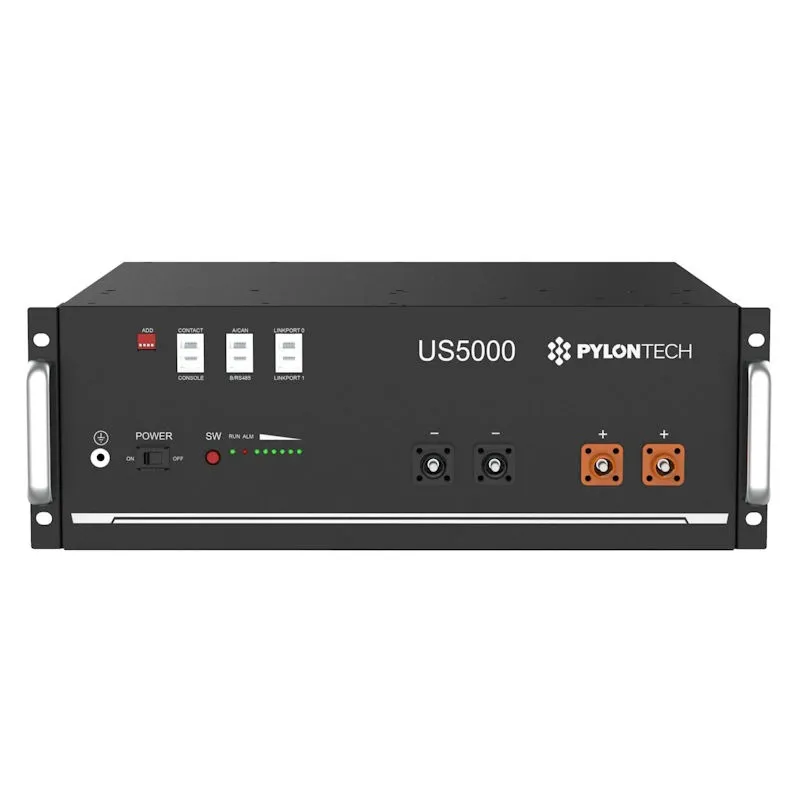
Pylontech US2000C Lithium Battery (2.4kWh)
Economical entry into lithium batteries - 48V with 2.4kWh capacity
Key Takeaways
- 2.4kWh capacity - for small systems and lighting
- Lightest (22.5kg) - easy to install and move
- Economical price - excellent start with limited budget
- Expandable up to 16 batteries in parallel
Product Description
Technical Specifications
| Total Capacity | 2.4 kWh |
| Usable Capacity | 2.28 kWh |
| Nominal Voltage | 48 V |
| Nominal Current | 50 Ah |
| Cycle Life | 8000+ cycles |
| Depth of Discharge | 95 % |
| Normal Charge/Discharge Current | 25 A |
| Max Charge/Discharge Current | 50-89 A @60s |
| Operating Temperature (Charge) | 0~55 °C |
| Operating Temperature (Discharge) | -10~55 °C |
| Dimensions | 442×410×89 mm |
| Weight | 22.5 kg |
| Parallel Connection | Up to 16 units |
| Communication Port | CAN |
| Cell Type | LiFePO4 |
| Design Life | 15+ سنة / Years |
| Warranty | 10 Years |
Specifications and prices are temporary (Placeholders) and will be updated from the official catalog.
Why is This Product Suitable for Yemen?
Suitability Ratings
Ideal for starting with solar energy in Yemen. Light and easy to install, works efficiently at temperatures up to 55°C.
Use Cases
Lighting & Fans
Run LED lighting and fans for over 15 hours
Starter Systems
Excellent start in solar energy world
Small Rooms
Backup power for a room or small apartment
Telecom Equipment
Run internet router and phones
When is This Product Recommended?
Recommended For
- Solar energy beginners
- Limited budgets
- Light loads (lighting, fans, and TV)
- Those wanting to start gradually and expand later
Not Recommended For
- Medium and large homes (use US3000C or US5000)
- Large refrigerators and ACs
- High continuous loads
Comparison with Other Products
When to Choose US2000C?
- Lighter (22.5 vs 32kg)
- Lower cost
- Smaller size
When to Choose US3000C?
- •When you need: Lower capacity (2.4 vs 3.55kWh)
- •When you need: Lower current
* Comparison values are temporary and will be updated from the official catalog
Learn more about batteries before choosing size and chemistry
Use these guides to better understand proper design, sizing and common mistakes in Yemen before buying.
Lithium vs Lead-Acid for Yemeni Homes
Understand lifespan, efficiency and cost differences between lithium and traditional lead-acid batteries.
Lithium Battery Lifespan
Learn which factors affect lithium battery life and how to extend your batteries’ lifespan in Yemen.
Series vs Parallel Batteries
Understand how to wire multiple batteries in series or parallel safely before deciding on your final capacity.
Frequently Asked Questions
Want broader answers about system design and solar costs in Yemen?
Read the Yemen solar FAQ pageQuick FAQs about this product type in Yemen
What is the expected lifetime of a lithium solar battery in Yemen?
Lithium batteries rated for 6000+ cycles can typically last 8–12 years in Yemen when used correctly, avoiding daily deep discharge and keeping them in a well-ventilated, moderate-temperature room.
Do solar batteries need a special room or ventilation in Yemeni homes?
We recommend installing batteries indoors away from direct sun, with good ventilation, especially in hotter Yemeni cities, because high temperatures accelerate battery aging and reduce lifetime.
What is the main difference between lithium and lead-acid batteries for Yemeni homes?
Lithium batteries cost more upfront but offer longer lifetime, deeper usable capacity and higher efficiency for frequent outages in Yemen, while lead-acid batteries are cheaper but bulkier and need more maintenance.
Related Services
Is US2000C Right for Your Needs?
Contact us for a free consultation and customized quote